If I entry egypt in the Last day, of the valid period, I can stay for another 30days
Egypt is an African country with a rich history dating back over 3,000 years. The country's North African desert region is characterised by low precipitation and a wide temperature variance, making it ideal for hiking trails.
Sandstorms, known as khamsins, occur frequently from March to June. Egypt's hiking routes offer breathtaking views of the country's amazing landscapes, including one of the 7 Wonders of the World. Explore these scenic wonders on foot or by camel and take in some fresh air while discovering some of the most wonderful places in Egypt.
Sinai Trail: A Thrilling Trek Through Egypt's Mountainous Terrain
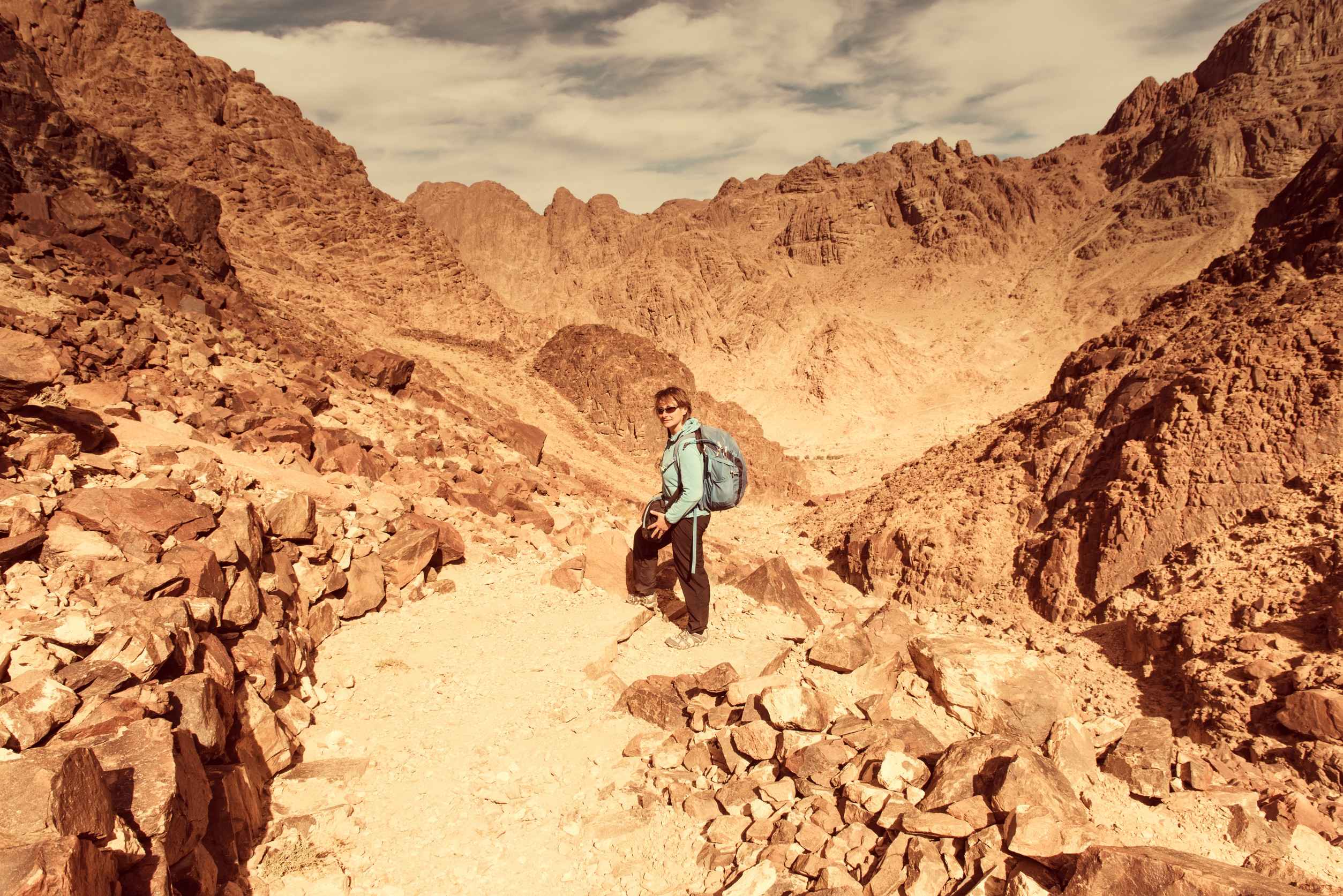
The Sinai Trail is the first long-distance hiking trail in Egypt, stretching 550 km and taking approximately 54 days to complete. Launched in 2015, the trail was initially completed in 12 days and involved 3 Bedouin tribes. Today, 8 Bedouin tribes manage and support the route: Tarabin, Muzeina, Jebeleya, Awlad Said, Gararsha, Sowalha, Hamada, and Alegat.
The trail crosses deserts, mountains, and remote valleys, showcasing Egypt’s wilderness, local culture, and heritage. Hikers can arrange camel support to carry water, food, and equipment, and natural springs that are available for refilling water along the route. Treks can be customised as per your preference and wish, and last as long as you want.
The Sinai Trail received international recognition, including Best New Tourism Project at the BGTW Tourism Awards (2016) and listings among the world’s best new trails by Wanderlust and Outdoors magazines in 2017.
Nuweiba and the Coloured Canyon
Nuweiba, located in the Sinai Peninsula, is a perfect spot for those who want to combine their love for hiking with beachside relaxation. The Coloured Canyon, situated in the vicinity of Nuweiba, is an 800-meter-long hiking trail that presents a breathtaking array of colourful sandstone formations.
Canyon Highlights: The canyon’s colourful walls, shaped by retreating Red Sea tides, feature limestone, granite, and sandstone. Hike through its vibrant labyrinth, then rest at Basata Eco-Lodge, one of the best eco lodges in Egypt, with Bedouin meals and stargazing.
The Coloured Canyon is roughly a 2-hour commute from Sharm el-Sheikh and situated 210 miles (322 kilometres) from Cairo. The location is also home to various Bedouin communities and biodiversity, making it an ideal spot for adventure enthusiasts. Don't miss out on this unique hiking experience while exploring the Sinai Peninsula.
Mount Catherine: Egypt’s Highest Peak
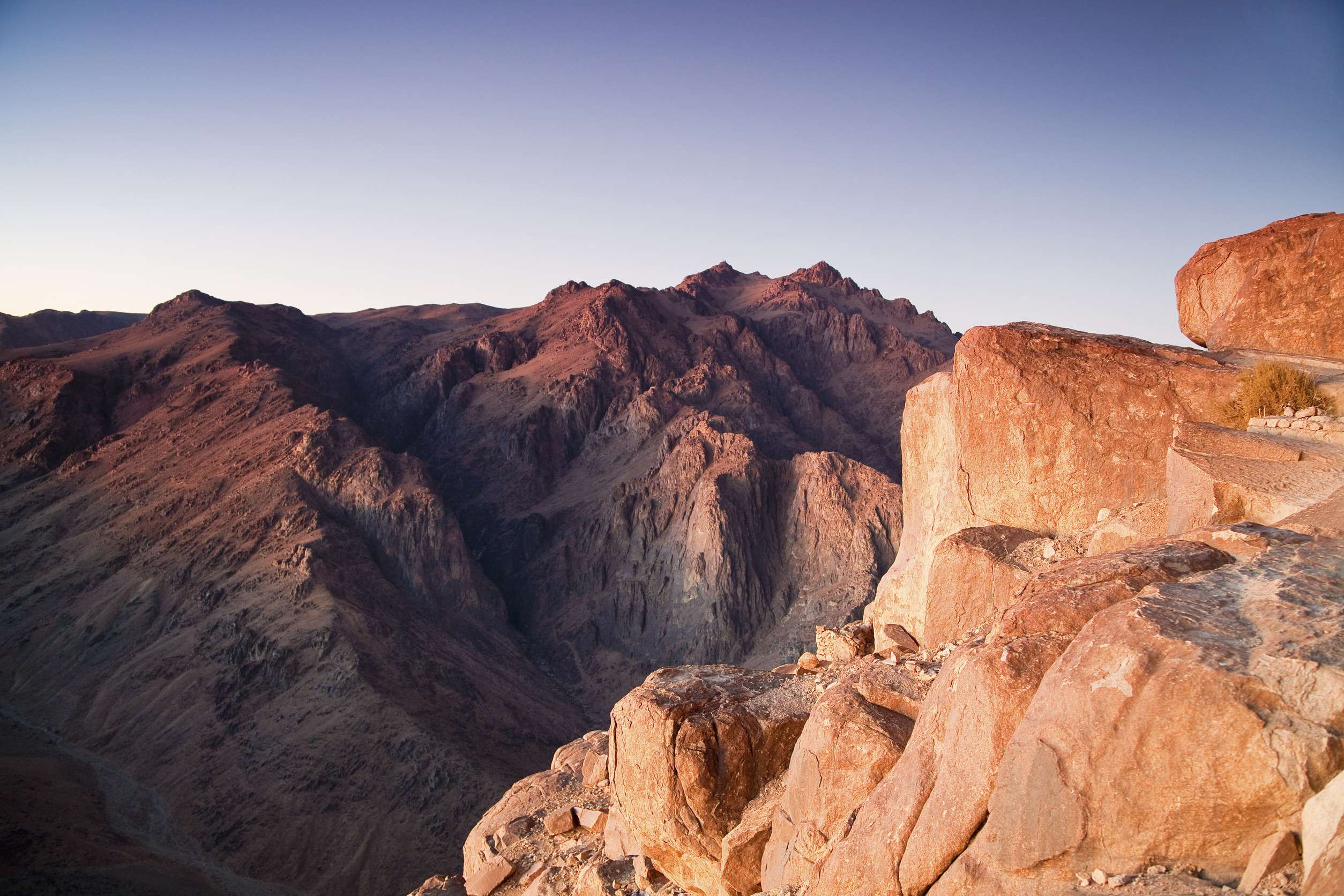
Located in the high mountain region of the Sinai Peninsula, Mt. Catherine is the highest peak in Egypt, towering at 2645m above sea level. This trek is situated towards the southeast of St. Catherine's village and offers breathtaking views from its summit. It is named after the Christian martyr, Saint Catherine.
The Mount Catherine summit hike typically takes 5 - 7 Working Days, with panoramic views along the way. Due to its challenging terrain and elevation, Mount Catherine is best suited for experienced hikers seeking a strenuous climb and a rewarding experience.
Sahara Desert Hiking Experiences
Hiking in Egypt’s Sahara Desert, the largest desert on the planet, offers access to vast landscapes of sand dunes, rock formations, and fossil sites. While much of the Sahara is inaccessible, the western regions of Egypt are open for guided trekking.
Key highlights include:
- Diverse Landscapes: Explore White Desert, Black Desert, and Crystal Mountain with unique wind-formed dunes and rock formations.
- Fossil Sites: Visit the Valley of the Whales, a UNESCO World Heritage Site with 40-million-year-old whale fossils. Other sites to see include the Valley of the Kings and Alexander the Great’s tomb.
- Adventure Details: Hikes can take up to 12 days; the best time to hike in the Sahara is from October to April/early May.
- Safety & Support: Travel with a reputable tour operator for necessary equipment and safety.
Overall: A once-in-a-lifetime hiking experience through Egypt’s iconic desert landscapes.
Jebel Serbal: A Sacred Mountain Trek
Jebel Serbal, located in the Sinai Peninsula, is one of the region’s most significant mountains and iconic destinations. Although lower than some nearby peaks, its steep crevasse makes the hike physically demanding. The trail is led by the Qararsha tribe of Wadi Feiran.
The mountain features basins with greenery, wildlife, and natural water sources. From the summit, hikers can watch the outstanding views of the Gulf of Suez, Wadi Feiran, and the surrounding desert landscapes.
Historically, Jebel Serbal was once believed to be Mount Sinai and held spiritual importance for early Christians and pre-Islamic Bedouin tribes. Today, it is valued for its scenery and peaceful isolation. The full trek usually concludes in 3 days.
Blue Lagoon, Dahab (Ras Abu Galoum)
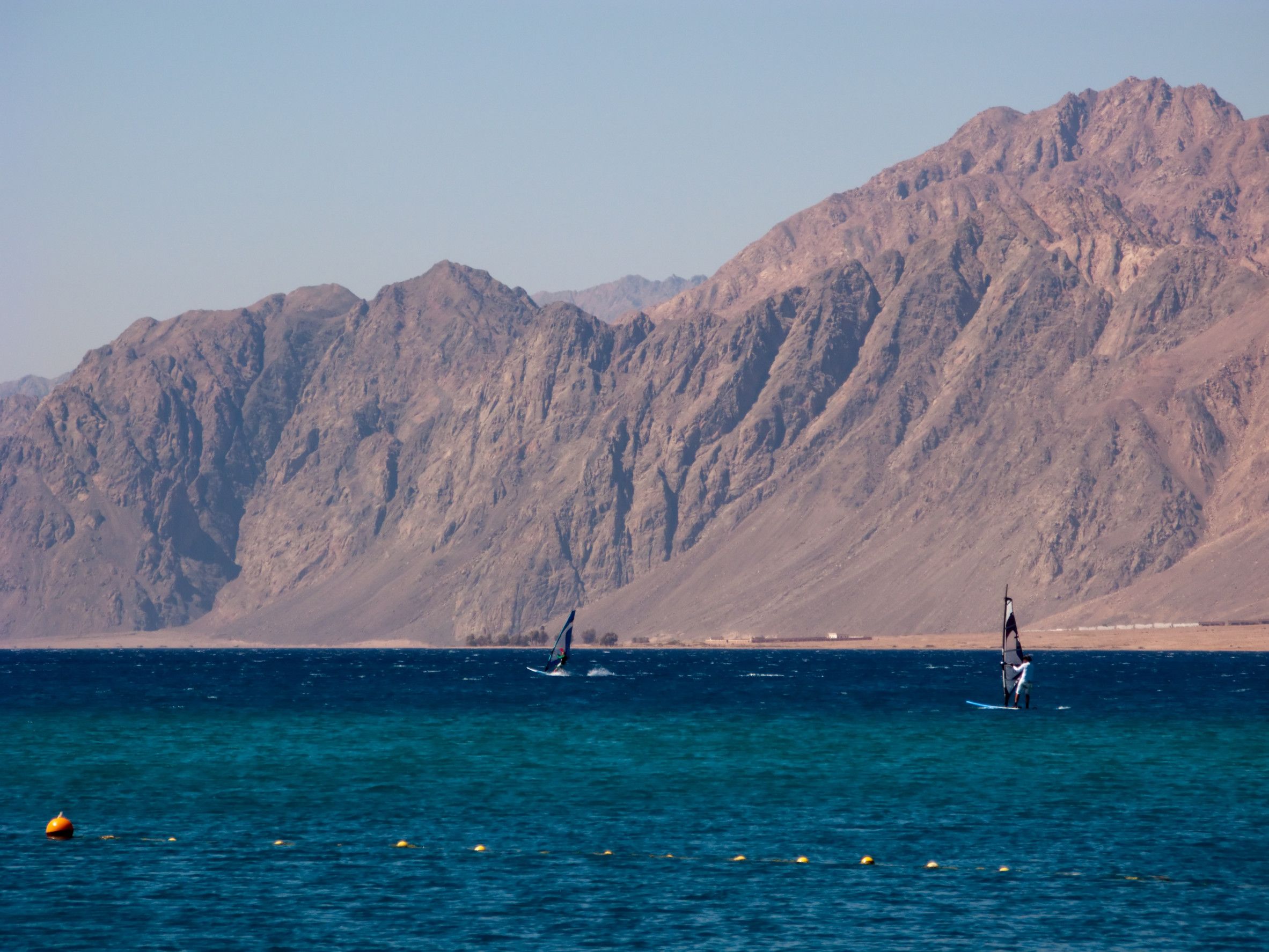
Located approximately 16 kilometres from Dahab, the Blue Lagoon trail is one of Egypt's most scenic hiking trails. The trail gets its name from the large, natural pond that is often referred to as "paradise." Although there is limited academic research on the area, there are plenty of anecdotal resources that describe the beauty of this location. Here is what you can expect when you hike the Blue Lagoon trail:
- The hike to the Blue Lagoon is an adventure in itself. There are no roads leading up to it; access is by hiking or by speedboat from Dahab.
- The hike is relatively easy and suitable for most fitness levels.
- Along the route, enjoy the stunning views of the turquoise lagoon and surrounding mountains.
- At the lagoon, visitors can swim, snorkel, or relax in the clear, shallow waters.
Valley of the Whales, Fayoum
The Valley of the Whales, Fayoum, is a unique hiking trail that offers a glimpse into the ancient marine biodiversity of Egypt. Located in the Fayoum Oasis, the valley is home to the fossilised remains of whales that roamed the area over 50 million years ago. Here's what you can expect on your hike:
- Fossil Formations: Large whale fossils showcase ancient marine life.
- Hiking Trail: 60 km trail through the unique scenery of the valley.
- UNESCO World Heritage Site: Recognised for its contribution to understanding whale evolution.
- Cultural Significance: Important to local communities with historical ties to the area.
- Guided Tours: Local guides offer insights into fossils and history for a richer experience.
Overall: A must-visit for nature and history enthusiasts, suitable for both hikers and casual explorers.
Wadi Degla Protectorate, Cairo
Wadi Degla Protectorate, Cairo, is a nature lover's paradise situated just outside the bustling city limits. The area is a protected wilderness with several hiking trails that offer visitors an opportunity to explore its rocky terrain, spot wildlife, and uncover ancient ruins. Here are some of the key highlights of this beautiful nature escape:
- Protected Area: 60 square kilometres is managed by the Egyptian Environmental Affairs Agency; home to diverse plants, birds, mammals, and reptiles.
- Hiking Trails: Suitable for all levels; easy to challenging hikes, scenic desert views and wildlife spotting (foxes, hares, lizards).
- History & Archaeology: Visitors can spot the ancient tombs, ruins, and artefacts. The area was also a significant source of limestone for the construction of many historic buildings in Cairo.
- Environmental Education: Learn about conservation and the importance of protecting natural habitats for future generations.
Overall:Wadi Degla Protectorate, Cairo, is a hidden gem just outside the city limits, offering natural beauty, history, and environmental learning.
Mount Moses (Mount Sinai)
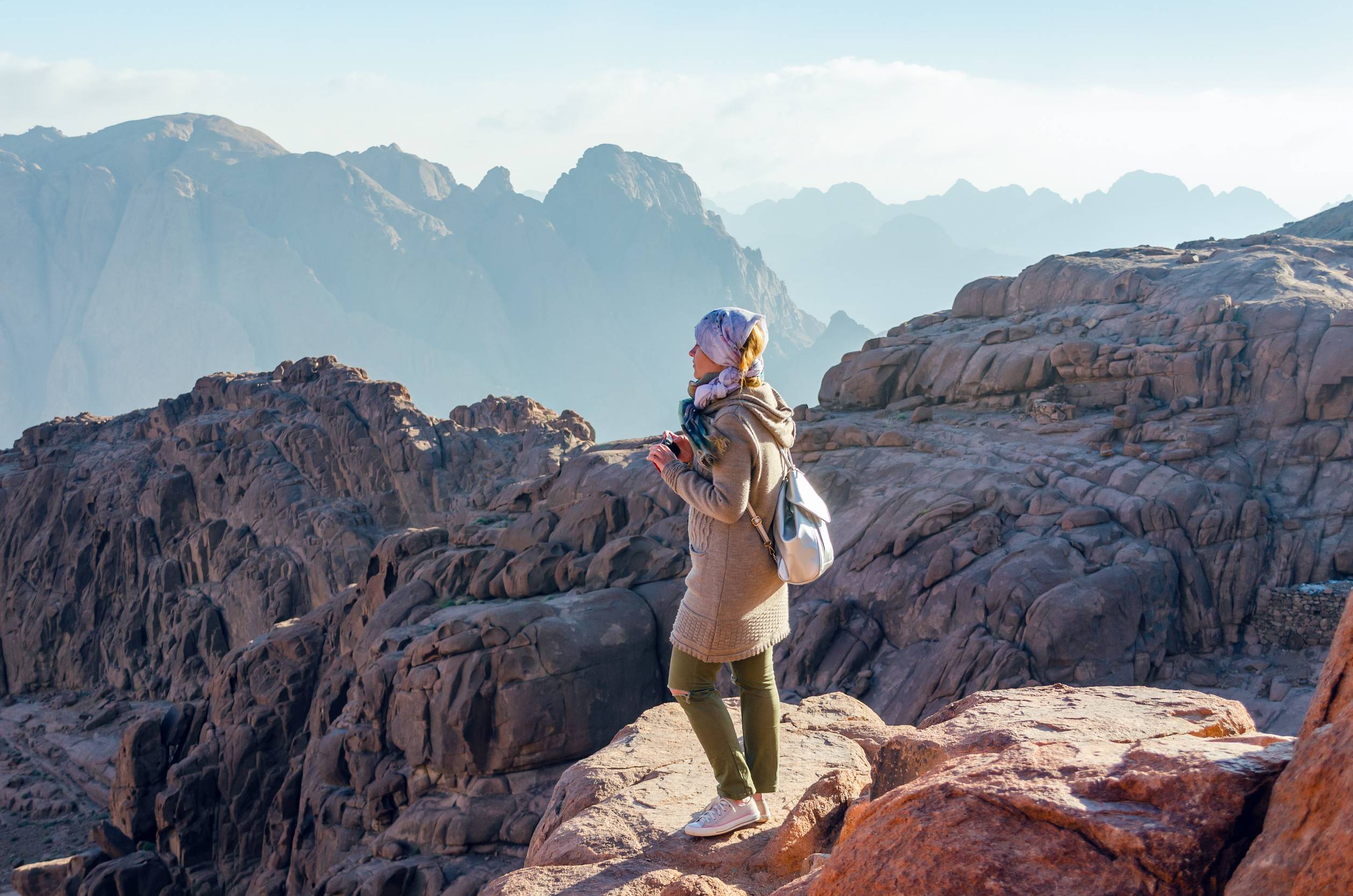
Mount Moses, located in the Sinai Peninsula, is one of Egypt’s most sacred hiking destinations. The hike is often timed for sunrise, offering sweeping views across the desert landscape.
Hiking Mount Moses: Key Highlights
- Sunrise Views: Reach the summit in time for a breathtaking sunrise over the desert.
- Historical Significance: Site where Moses received the Ten Commandments; near St. Catherine’s Monastery, the world’s oldest continuously inhabited Christian monastery.
- Hiking Trail: Challenging but well-marked; takes around 3–4 hours to reach the summit; bring water and warm clothing as temperatures can drop dramatically.
- Religious Pilgrimage: Popular among spiritual visitors; physically and spiritually rewarding.
- Tourist Facilities: Base of the mountain offers hotels, restaurants, souvenir shops, guides, and tour operators.
Giza Trail: Hiking Near the Pyramids
The Giza Trail offers a unique and unforgettable hiking experience with the iconic pyramids as the backdrop. Instead of just a traditional camel ride around the pyramids, you can explore the desert behind them. The best time to take up this adventure is just before sunrise or sunset to witness the grandeur of the pyramids and the Call to Prayer rising from the surrounding mosques.
To make the experience even more exciting, take a camel ride through the desert and arrive at the center of the Great Pyramid. You can opt for a 2-hour camel ride either at dawn or dusk, and experience the breathtaking view of the pyramids during the sunrise or sunset.
This hiking trail provides an incredible opportunity to explore Egypt's ancient history and natural beauty at the same time. The vast desert landscape and the world-renowned pyramids are a must-see for anyone visiting Egypt.
White Desert National Park
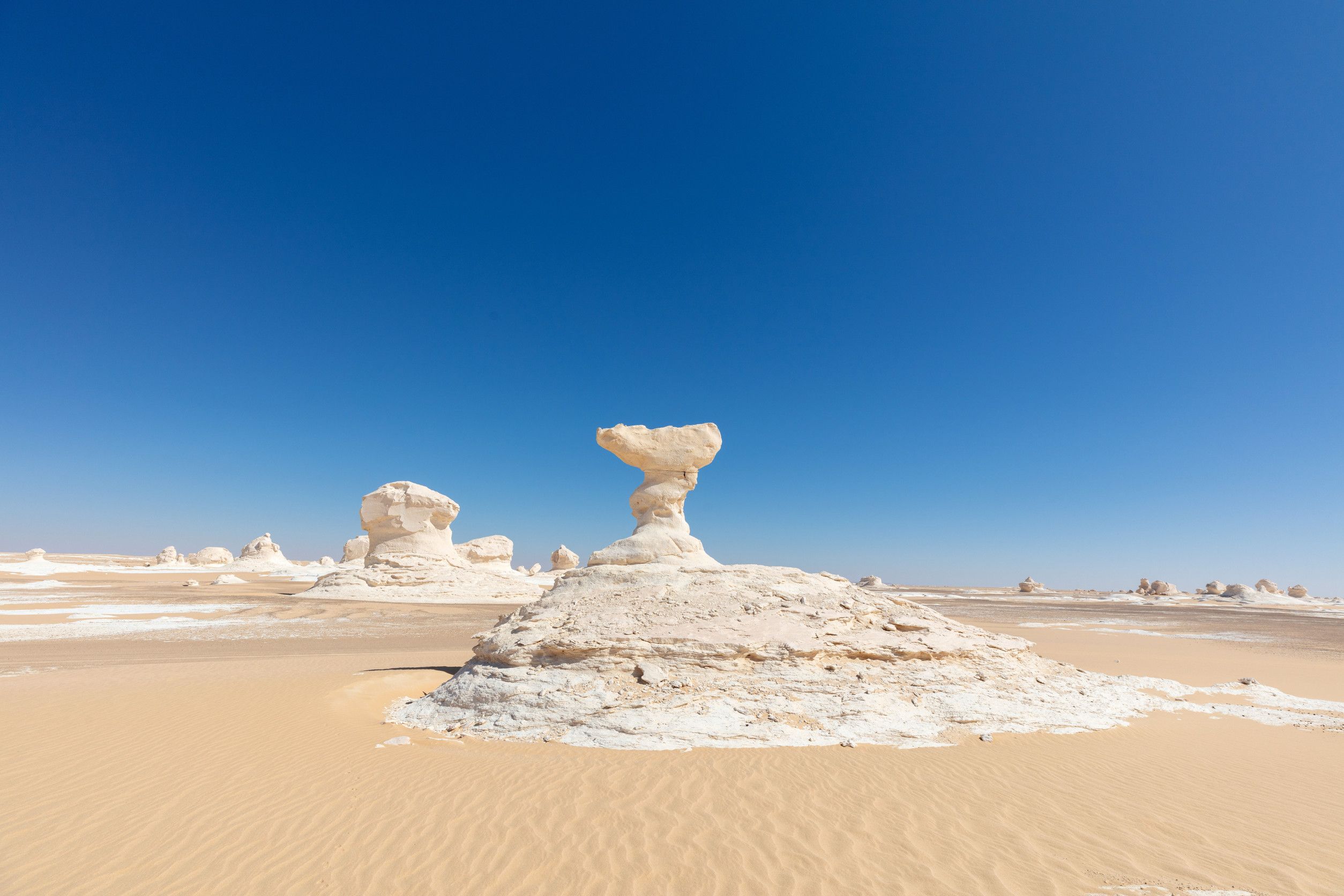
The White Desert, located in the Farafra Depression, is known for its unique rock formations and white sand dunes. The park covers 300 square kilometres and features surreal rock shapes formed by wind erosion.
White Desert, Egypt: Key Highlights
- Unique Landscape: White sand dunes resembling snow and surreal rock formations shaped by extreme weather.
- Trekking & Camping: Explore on foot and camp under the stars; guides required for safety.
- Nearby Attractions: Visit towns, oases, archaeological sites, and encounter local wildlife.
- Activities: Trekking, camping, dune bashing, and experiencing local culture.
Overall: A truly unforgettable Sahara adventure with dramatic scenery and unique natural wonders.
Red Sea Mountain Trail
The Red Sea Mountain Trail is a must-do for hiking enthusiasts visiting Egypt. This 170km-long trail offers stunning coastal views and a chance to explore the less-known rugged mountainous landscapes outside the resort town of Hurghada. As the first long-distance hiking trail in Egypt, it is a unique experience to trek through the pristine terrain.
The trail is owned by the local Maaza tribe, who have created this community tourism project with the aim of preserving their Bedouin culture and creating job opportunities for the local community. Visitors are encouraged to respect the local culture and traditions while enjoying their hike.
Trail Tips: No accommodations along the route, so hikers must bring their own camping gear and supplies. Best hiked in winter (November–March) for cooler temperatures.
Hiking the Red Sea Mountain Trail is a fantastic way to explore Egypt's natural beauty and support the local community at the same time. Don't forget to pack plenty of water and sunscreen, and be prepared for an adventure of a lifetime.
Like
Dislike
-
- if i live in germany, can i apply from therE? or must go back to egypt and apply there
To obtain a Egypt eVisa
- Step1: Complete the online application by providing your passport details.
- Step2: Submit payment online using a credit card.
- Step3: Monitor your email for confirmation of payment and receipt of your eVisa, which will be sent electronically.