My stay ends in 4th of June. The valid Date goes to 3. Of June. I arrive in 26 may. So my Visa will Not bei valid die one day
If you’re curious about traditional Egyptian cuisine, your trip to Egypt offers the perfect opportunity to experience it firsthand. Before traveling, ensure you have the required Egyptian visa. Once your travel arrangements are complete, you can focus on discovering Egypt’s rich culinary heritage, shaped by thousands of years of history.
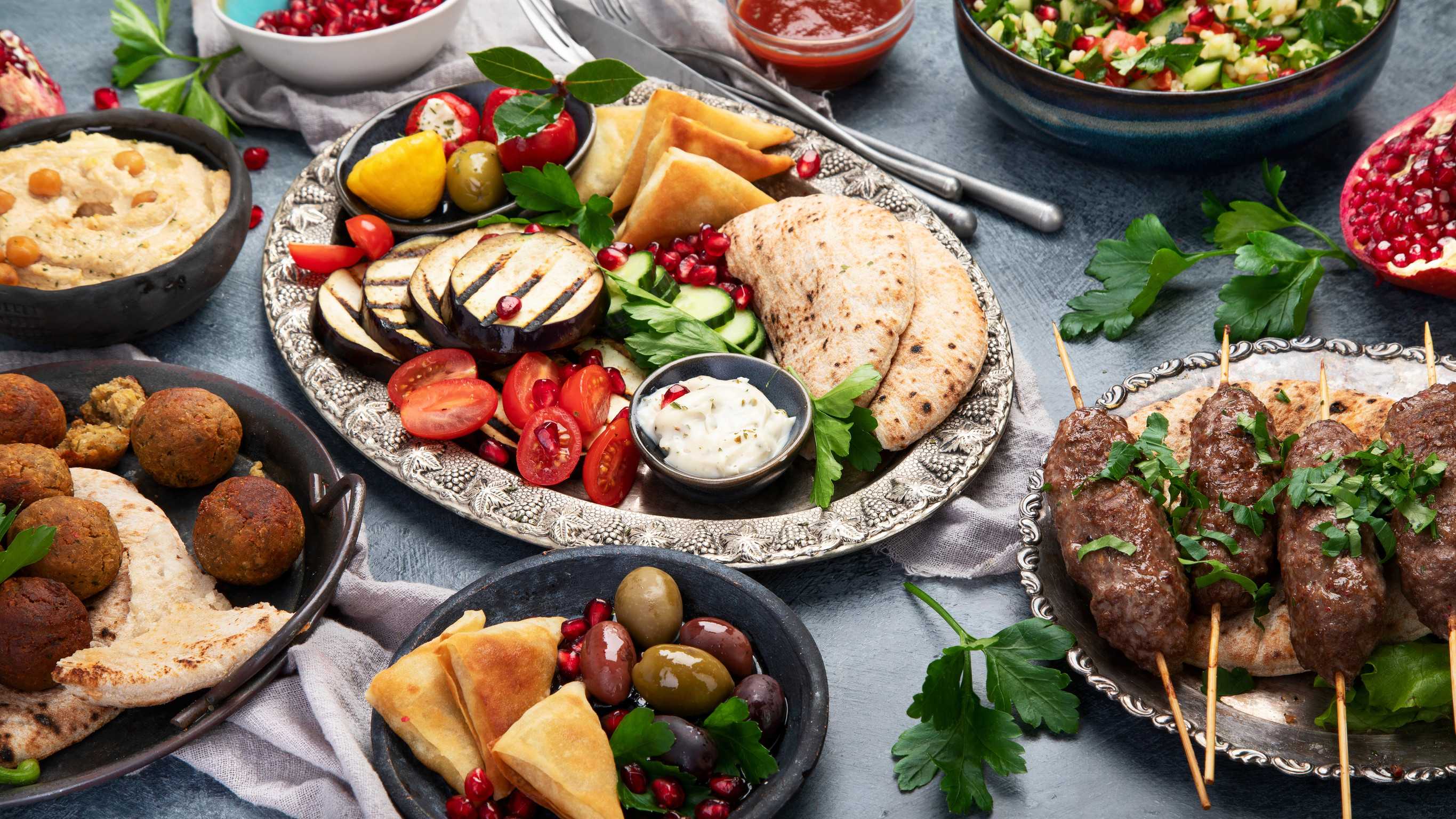
Exploring the History of Egyptian Cuisine
Egyptian cuisine has a rich and varied history that dates back to ancient times. Let's take a closer look at some of the key aspects of this fascinating cuisine.
Key Elements of Ancient Egyptian Cuisine
- Bread and legumes formed the foundation of daily meals
- Common vegetables included garlic, onions, cucumbers, lettuce, and leeks
- Lamb and poultry were widely consumed, while beef was reserved for special occasions
- Fish played a symbolic role, though some species were avoided for religious reasons
Egyptian Cuisine Today
Modern Egyptian food continues to rely on traditional ingredients while incorporating regional spices and contemporary cooking techniques. Meals are typically hearty, flavorful, and shared communally.
Traditional Egyptian Cuisine: A Delicious Journey
When traveling to Egypt, it's important to keep in mind that pork is not commonly included in local recipes due to the country's religious beliefs.
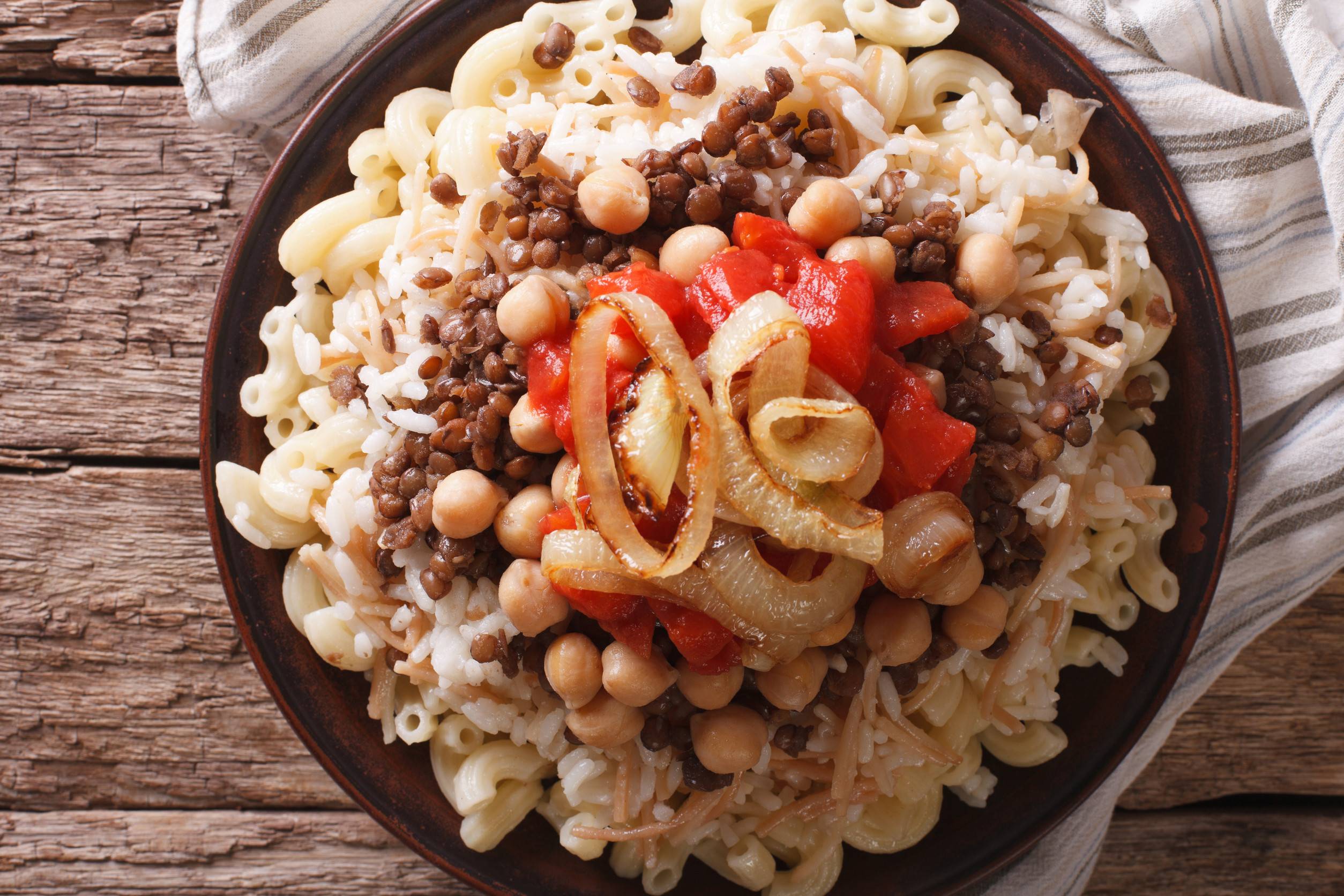
1. Koshary (Kushari)
Koshary is a popular dish in Egypt and the Middle East. In fact, many locals consider it to be the national food of Egypt.
Key Ingredients:
- Rice, lentils, and chickpeas
- Caramelized onions and macaroni
- Garlic and vinegar sauce
- Spicy tomato sauce
Koshary is a great option for vegetarians, but you can also find versions with meat. It's widely served in restaurants throughout Egypt, and it's a must-try dish for anyone visiting the country.
2. Ful Medames
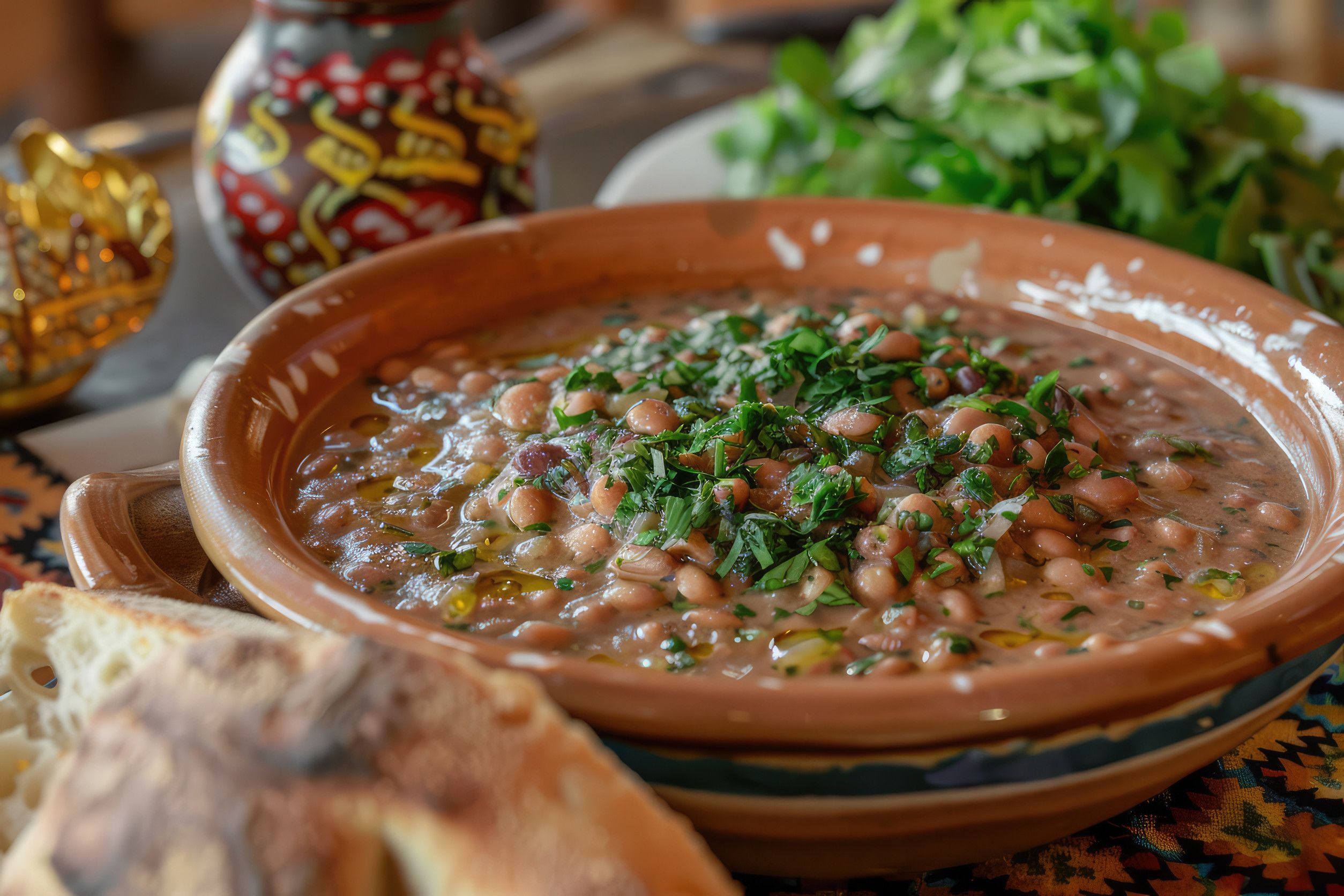
Ful Medames is a famous Egyptian cuisine recipe that is cooked slowly over low heat in a copper pot to give it a distinctive flavor. The name of the dish comes from the Egyptian word "ful," meaning "bean," and the Coptic word "medames," meaning "buried," possibly hinting at the cooking method used in the past.
Traditionally, Ful Medames is served with a mixture of garlic and olive oil, along with chopped parsley, onions, and a splash of lemon juice added just before serving. It is also common to pair this dish with shami, a type of pita bread popular in Egypt.
3. Falafel
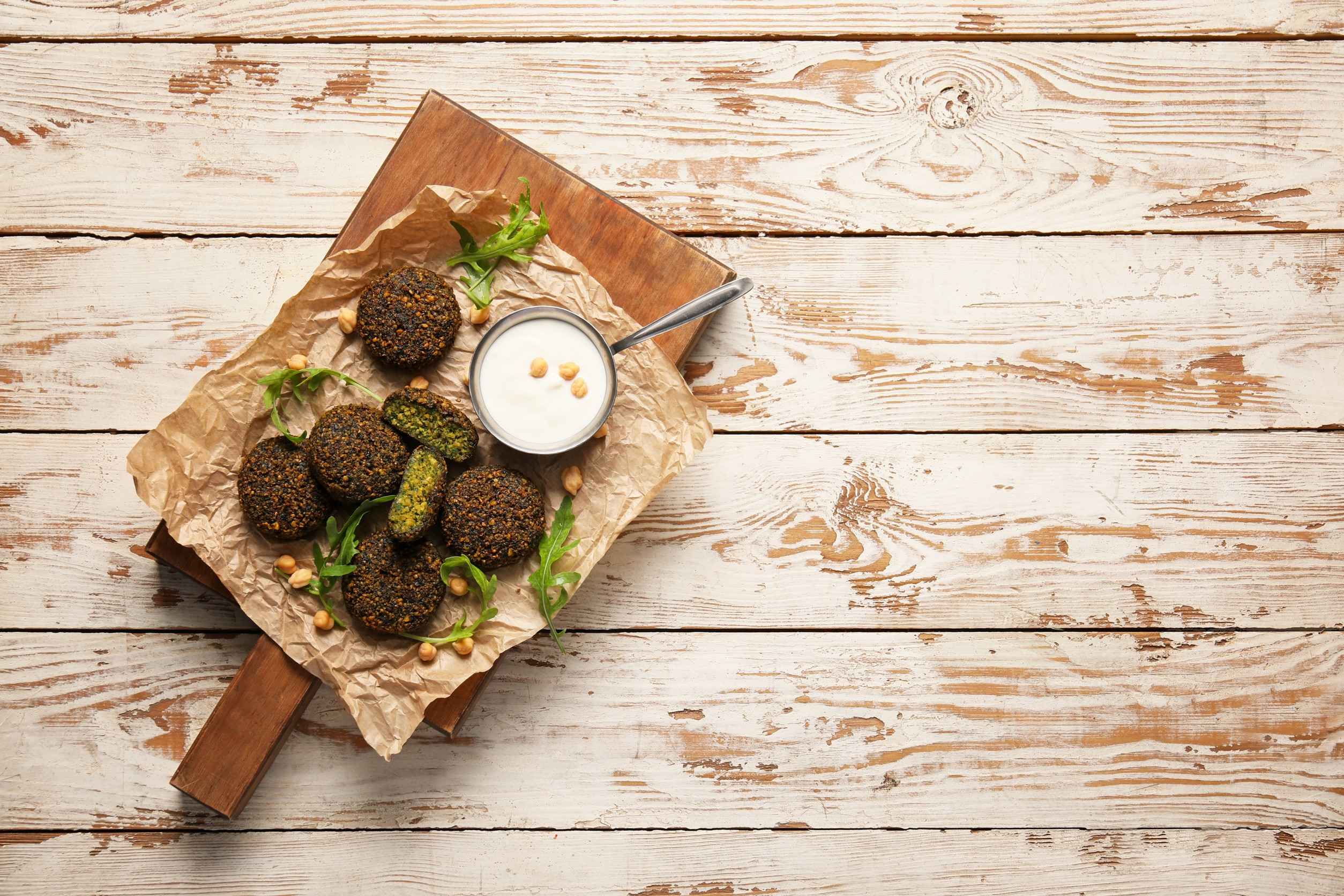
Falafel is an ancient Egyptian food. This vegetarian dish is made of beans or chickpeas. In Egypt, the traditional falafel recipe calls for uncooked beans or chickpeas soaked overnight. The ingredients are processed with parsley, coriander, onion, garlic, and spices, then formed into balls and fried.
The word falafel comes from the Arabic word filfil, which means “pepper.” The most popular version of falafel today is made solely from chickpeas and served on pita bread with tahini, hummus, and a variety of salads.
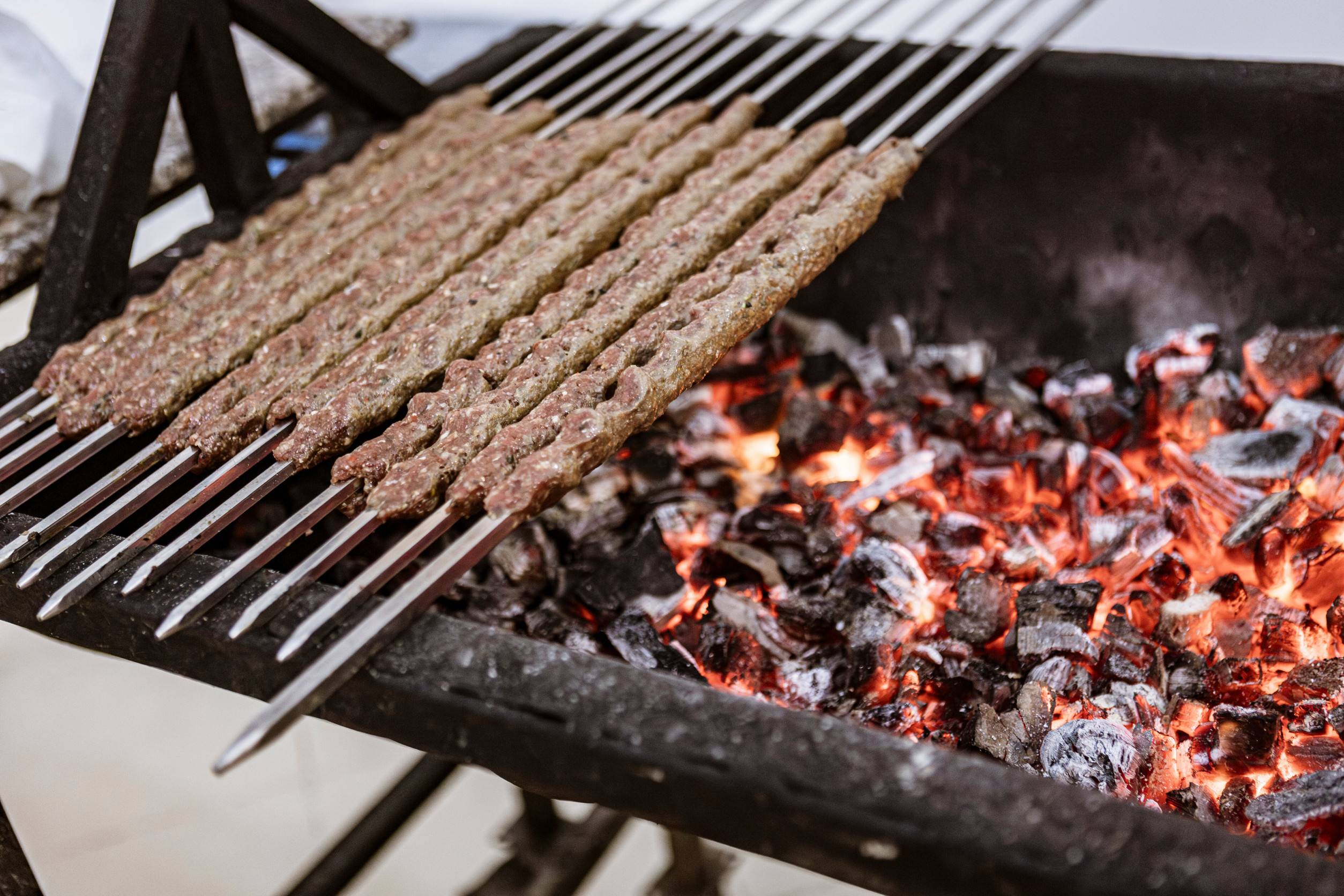
4. Kofta
Kofta is a popular meat dish of Arab origin that is shaped like meatballs or hamburgers. The word “kofta” comes from Persian and means “minced.” In Egypt, kofta is typically prepared as kebab, also known as kabab mashwi. This dish is usually made with a mixture of beef and lamb and is a staple in royal Egyptian cuisine.Kofta is a grilled minced meat dish, usually made from beef or lamb.
Kofta Variations and Popularity
- Kofta can be mixed with spices and pre-sautéed onions to enhance its flavor.
- To prevent the kofta from falling apart during cooking, rice, vegetables, or eggs can be added to achieve a proper roast.
- Kofta is a common street food in cities like Cairo, and can be found on almost every street corner.
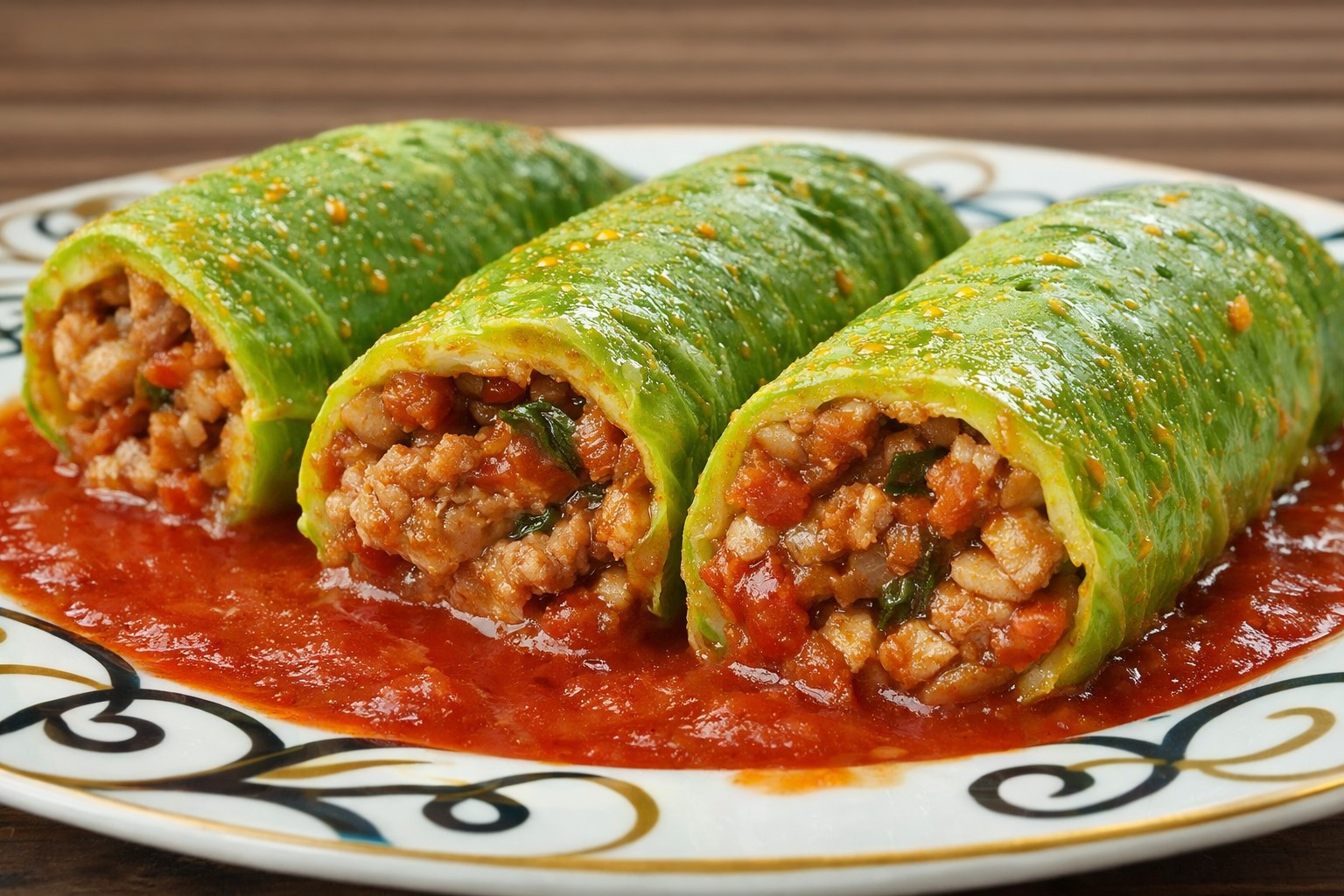
5. Mahshi
Malfuf Mahshi, or cabbage rolls, are a popular Egyptian dish that serves as a perfect starter for any meal. The main ingredient in this recipe is cabbage, which imparts a rich flavour to the dish. If you want to try something new in Egyptian cuisine, Malfuf Mahshi is a must-try.
The filling of these cabbage rolls typically includes baharat, which is a blend of spices used in Arab cuisine. The composition of baharat can vary by region and country, with some mixes containing six or seven spices, and others containing up to ten.
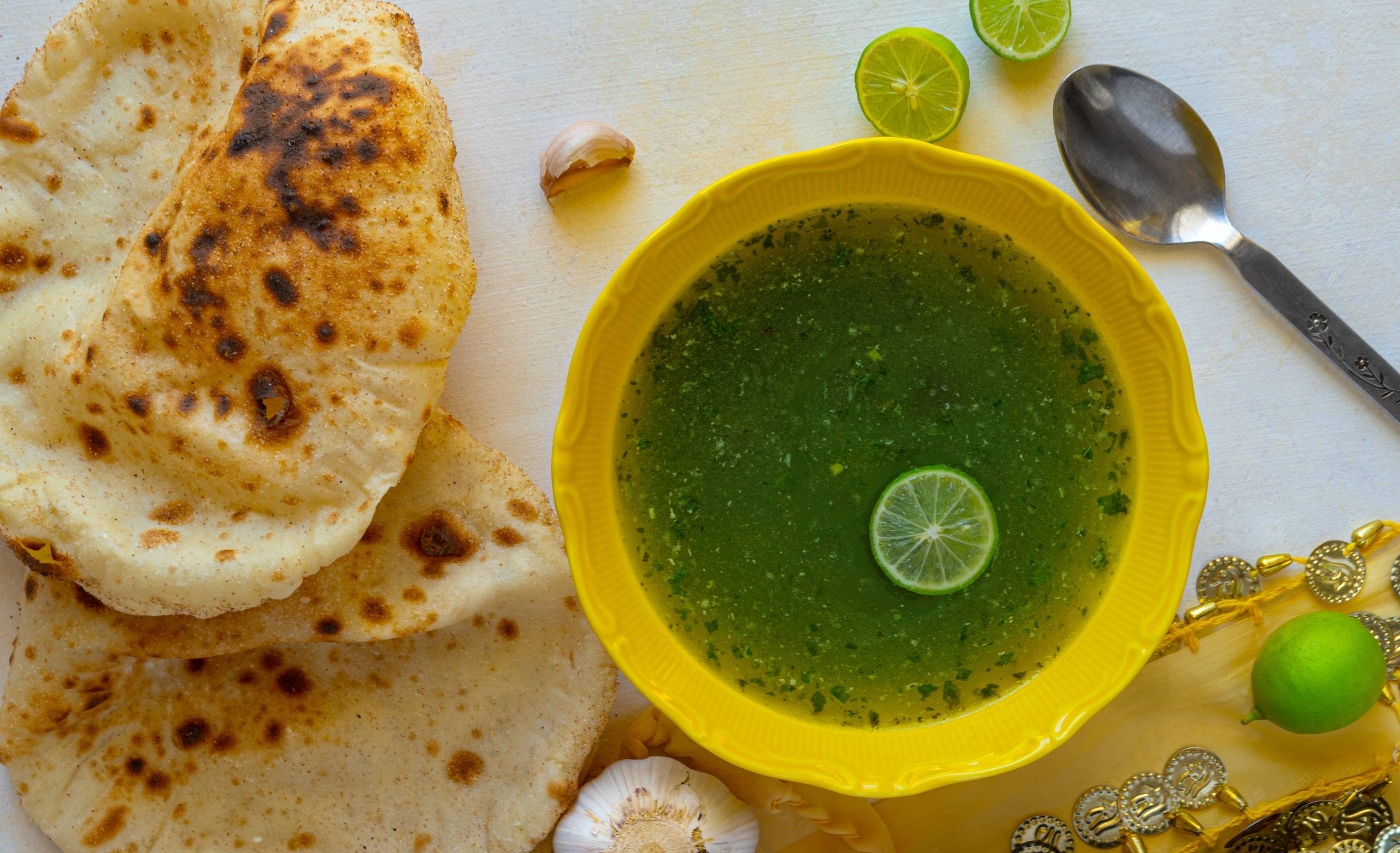
6. Molokhia (Jute Leaf Soup)
If you're curious about typical Egyptian cuisine, consider trying Jute Soup. This dish features jute leaves, a bitter-tasting vegetable that softens when cooked and is commonly used in soups and stews.
The leaves add a distinctive flavour and help thicken the soup, which is often served with white rice and either chicken or lamb. Jute Soup is also highly nutritious, making it a healthy and satisfying choice when exploring Egypt. The dish is valued for both its flavour and nutritional benefits.
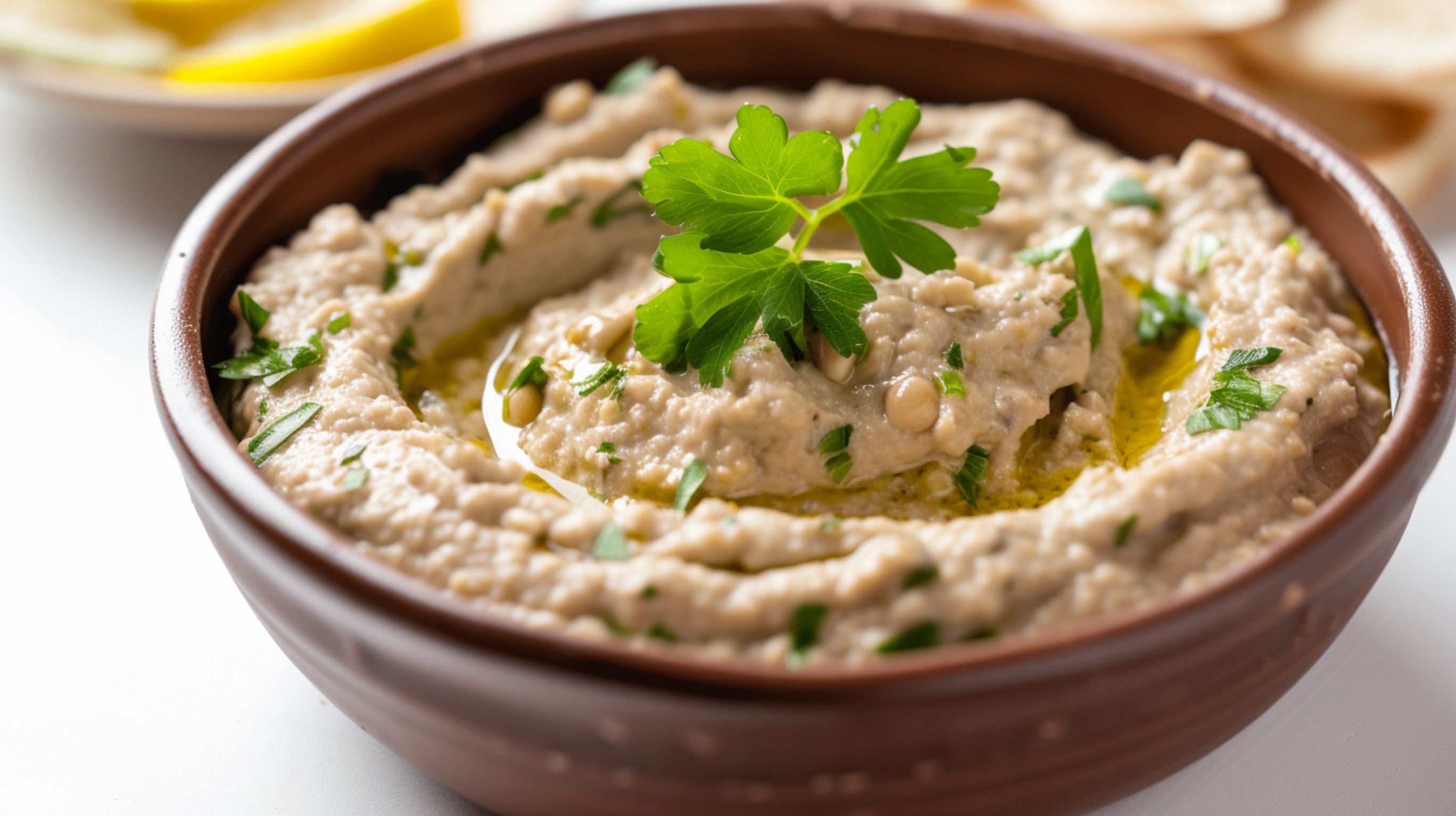
7. Baba Ganoush
Baba ganoush is a popular dish in Egyptian cuisine, known for its delicious blend of spices and ingredients. It is a vegetable paste used as a snack, with a one-of-a-kind flavour that harmonises food and soul. Here are some interesting facts about baba ganoush:
- Similarities with Hummus: Baba ganoush shares many similarities with hummus, another popular dish in Egyptian cuisine. Both dishes use tahini, which gives them a creamy texture and nutty flavour.
- Aphrodisiac Properties: It is believed that the mixture of various spices used in baba ganoush can be aphrodisiac. This makes the dish even more distinctive in Egyptian cuisine.
- Traditional Ingredients: Baba ganoush is made with roasted eggplant, garlic, tahini, lemon, and pomegranate. These ingredients give the dish its distinct flavour and aroma.
Conclusion: Baba ganoush is a must-try Egyptian dish, known for its unique flavour, traditional ingredients, and standout appeal.
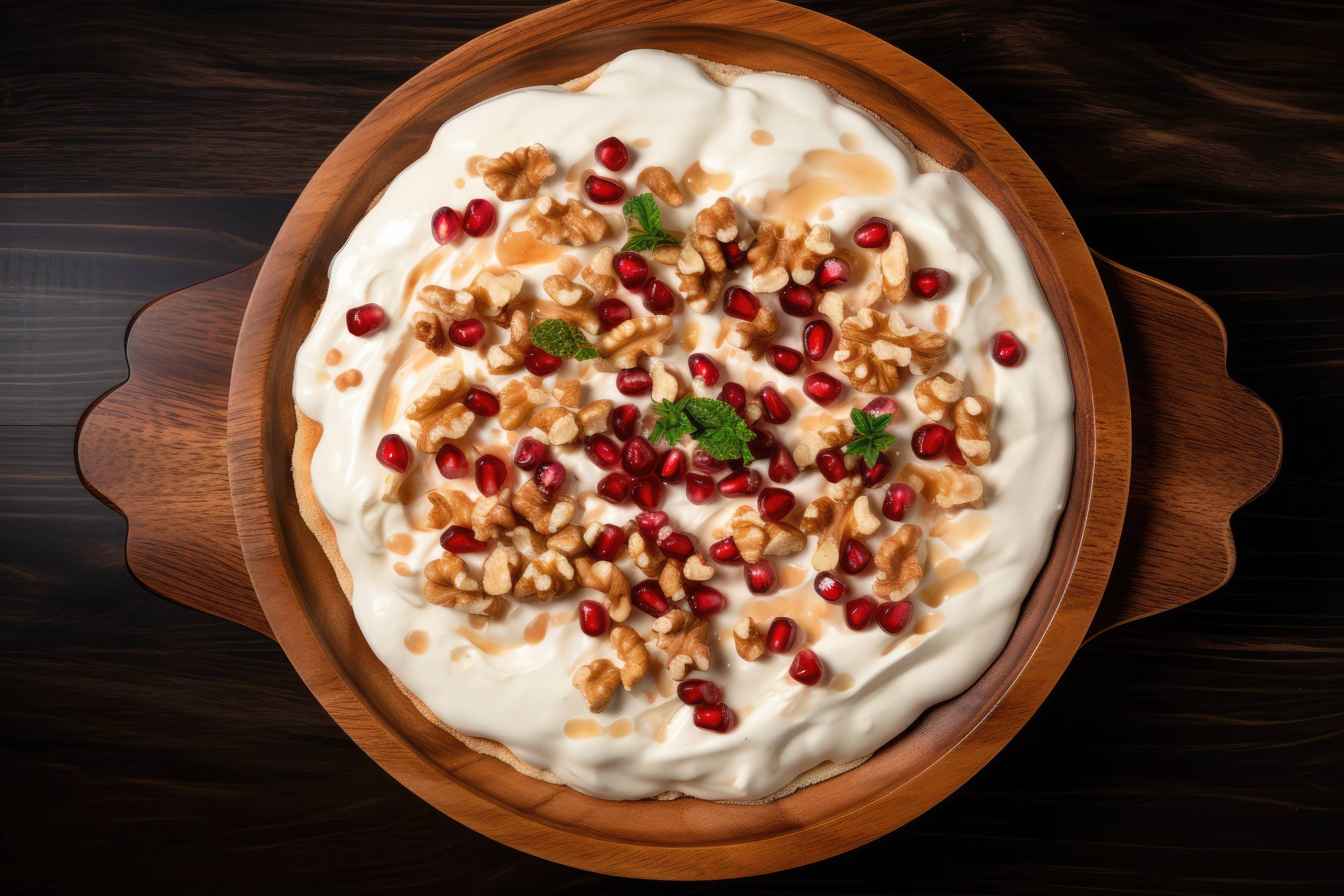
8. Fatteh
Fatteh is a layered dish built around toasted or fried bread.
- What is Fatteh: Fatteh is a dish made with pieces of bread that are toasted or fried and then covered with other ingredients. The name is derived from the Arabic word fatteh, which means "crushed crumbs."
- Unique Touch: One of the best things about fatteh is that each home makes it differently, giving it a unique touch depending on personal preferences. There are no rules to making fatteh, and the possibilities are endless.
- Versatile Dish: Fatteh can be served for breakfast, lunch, or dinner, depending on the ingredients you add. It can also be vegetarian, made essentially with chickpeas or eggplants.
9. Baklava
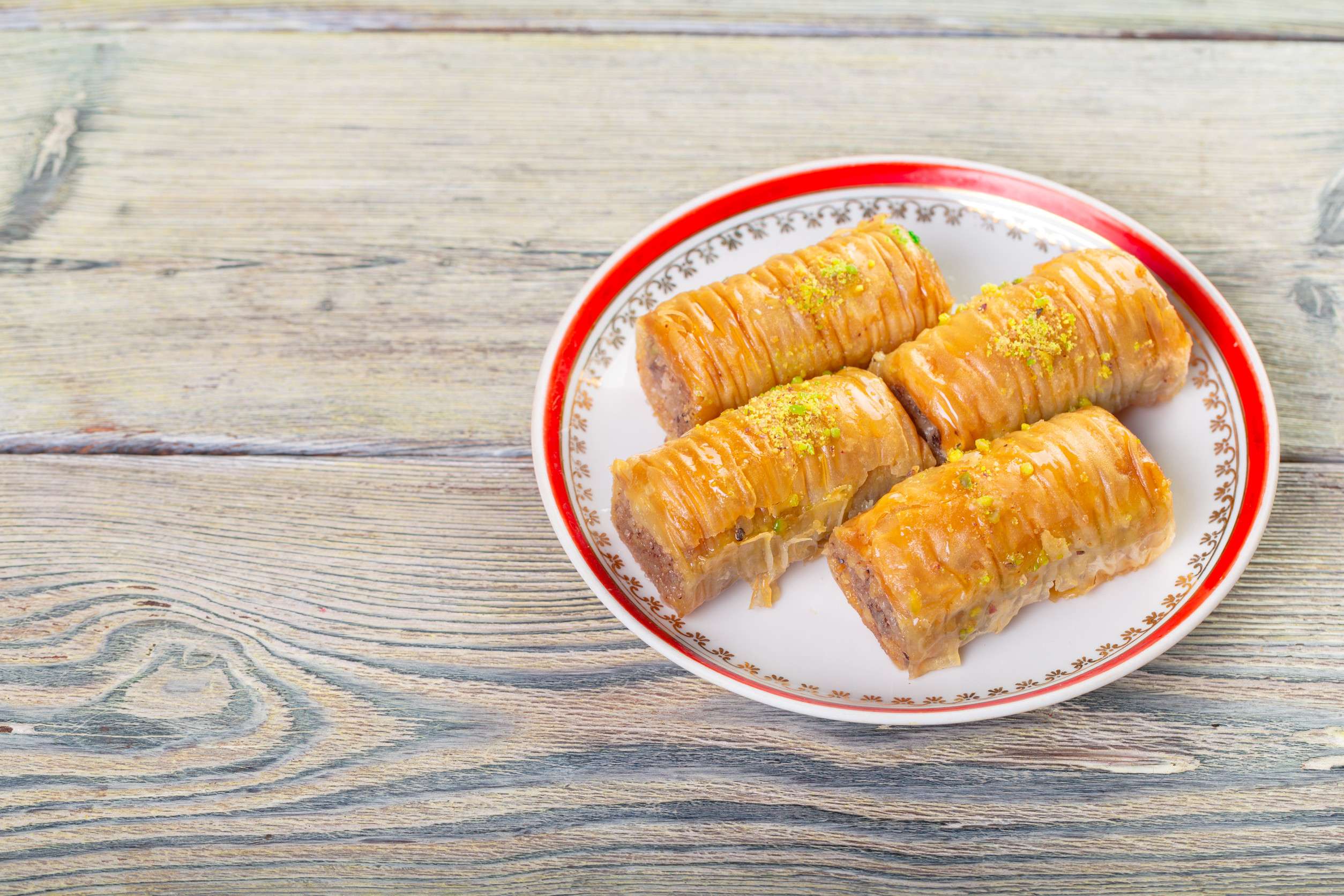
Baklava is a traditional cake made with crushed walnut paste (or other nuts) and bathed in syrup or honey. To understand the essence of typical Egyptian cuisine, it's important to delve into its history. The origin of baklava dates back to ancient Mesopotamia, where bread was cooked in wood-fired ovens. This delicious cake was considered a royal Egyptian cuisine until the mid-19th century.
10. Mansaf
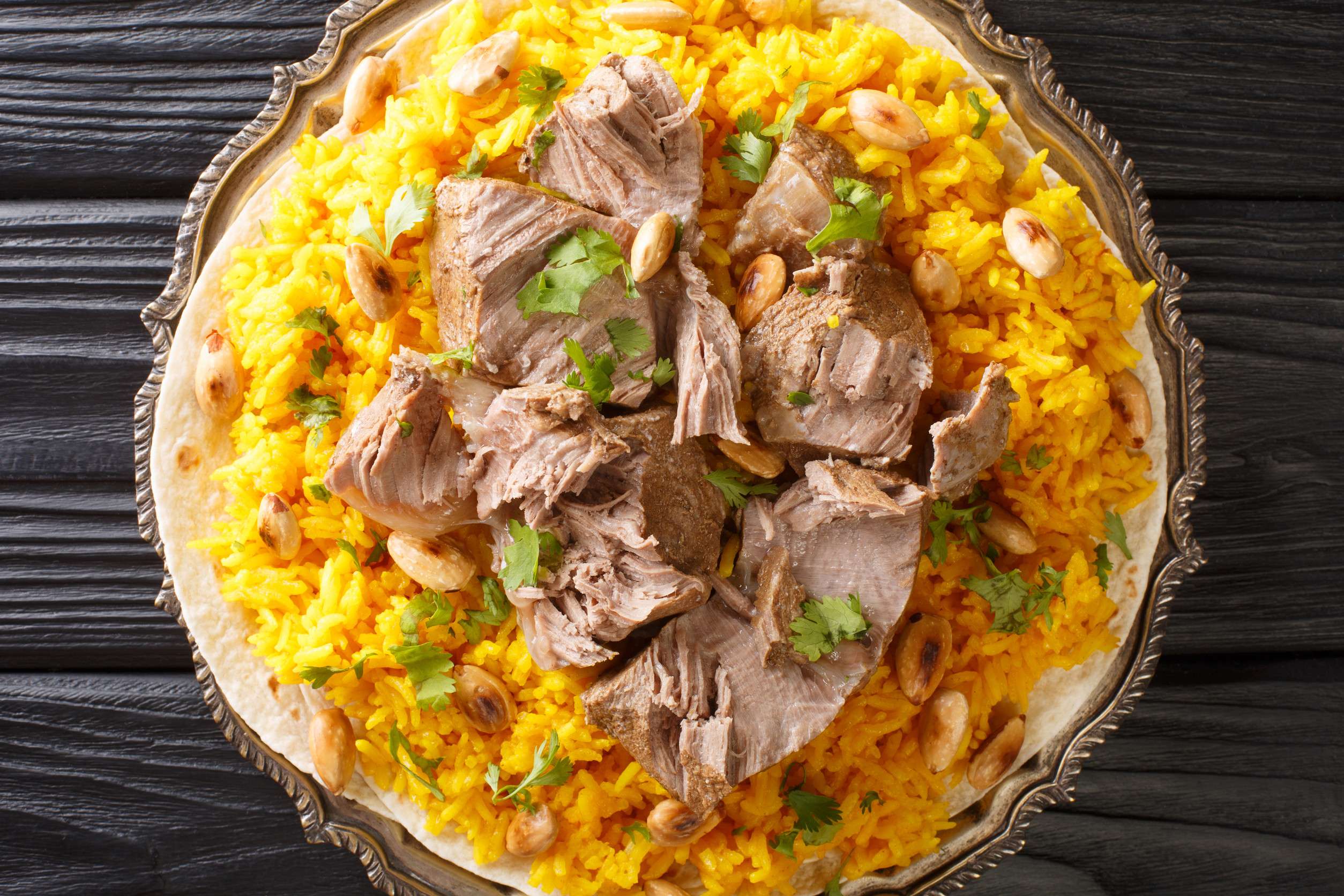
Mansaf is a classic lunch option in Egypt, consisting of lamb, rice, and a dry yoghurt known as jameed. The lamb is cooked in the yoghurt, while the rice is cooked separately and flavoured with turmeric.
To serve, a thin bread called Markook or Shrak is placed at the bottom of the dish, followed by a layer of rice and then the lamb on top. Finally, the yoghurt sauce is poured over the dish to taste. Mansaf is a filling meal that has been enjoyed in Egypt for centuries.
Egyptian cuisine is a sensory delight that offers a range of flavors for the adventurous foodie. So, if you plan to travel to Egypt, be sure to try the local cuisine and immerse yourself in the country's rich culture and history. Don't forget to apply for an Egypt visa before your trip. We wish you a happy journey!
Like
Dislike
To obtain a Egypt eVisa
- Step1: Complete the online application by providing your passport details.
- Step2: Submit payment online using a credit card.
- Step3: Monitor your email for confirmation of payment and receipt of your eVisa, which will be sent electronically.